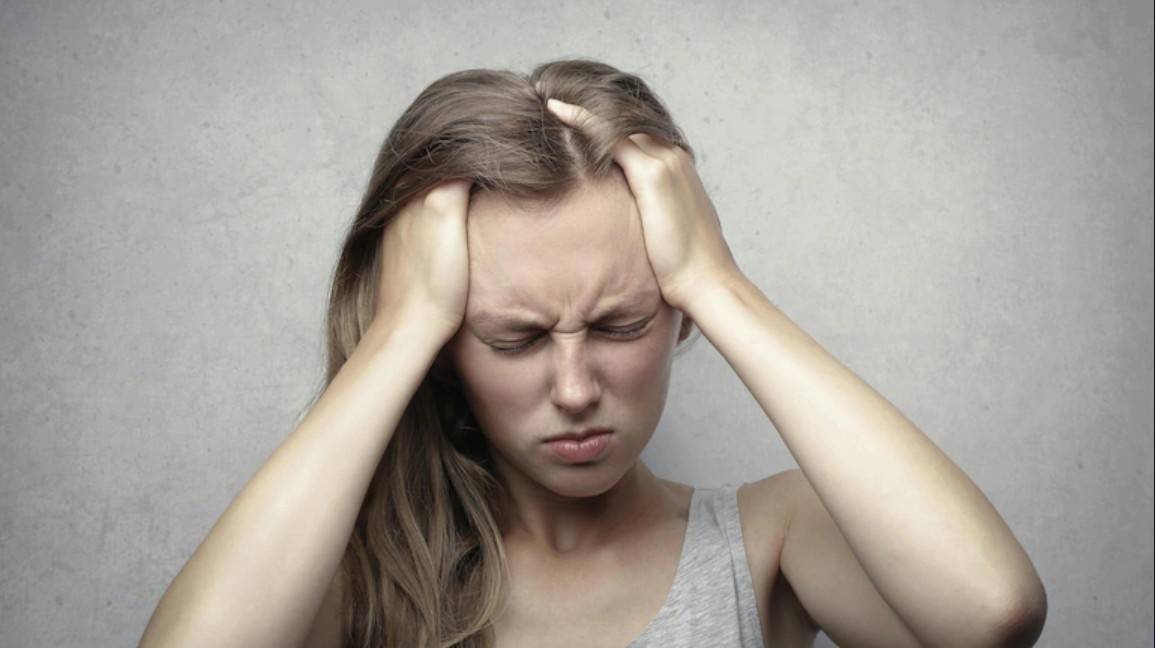
Hormonal fluctuations — especially changes in estrogen levels — play a major role in migraines among women, according to a health expert who explained how symptoms differ across life stages and how they can be managed.
Why Migraines Happen
Nutritionist Rashi Chowdhary said migraines are strongly hormone-driven rather than just stress-related.
- Around 1 in 4 women experience migraines
- Sudden estrogen drop irritates the brain and triggers pain
- Hormonal shifts affect serotonin and nerve sensitivity
She advised avoiding quick-fix solutions like frequent painkiller use and instead focusing on stabilising hormones.
Types Of Hormonal Migraines
Pre-Period Migraine (PMS)
Occurs just before menstruation when estrogen drops sharply.
Suggested management
- Magnesium glycinate after ovulation
- Magnesium citrate if constipation is present
Perimenopause Migraine
Hormones become irregular, causing inflammation and more intense headaches.
Suggested management
- Black cohosh
- CoQ10 (only after consulting a doctor)
Menopause Migraine
Estrogen stabilises at low levels but pain pathways may remain sensitive.
Suggested management
- Dong Quai herb to reduce inflammation and frequency
Key Advice
The expert stressed migraines are the body’s reaction to hormonal change and the goal should be stability rather than instant relief methods.
Consult a qualified medical professional before trying supplements.
Disclaimer : This article is for informational purposes only and does not substitute professional medical advice, diagnosis, or treatment. Always consult a qualified doctor or healthcare provider before starting supplements, herbal remedies, or making medical decisions related to migraines or hormonal health.