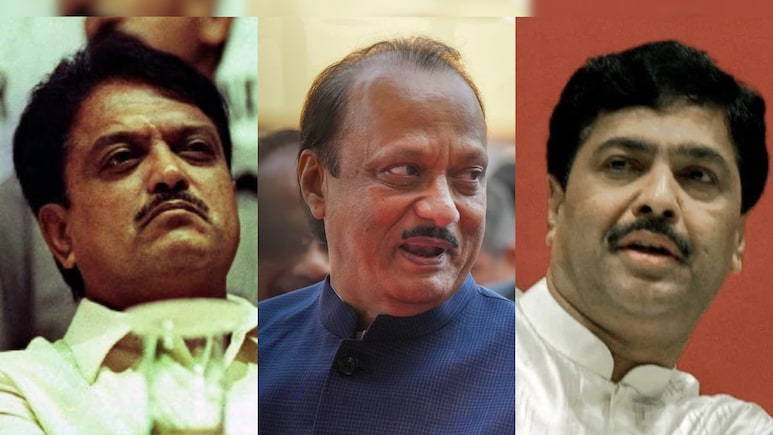
The sudden passing of leading political figures over the years — Mahajan, Munde, Deshmukh and now Ajit Pawar — has repeatedly reshaped power dynamics and leadership in the state.
A State Shaped by Sudden Political Losses
Maharashtra’s political history has been marked by the sudden deaths of influential leaders. From Pramod Mahajan to Ajit Pawar, each loss created a leadership vacuum and forced major political shifts.
These deaths did not only affect parties. They changed alliances, voter equations, and the future direction of state politics.
Ajit Pawar: The Latest Political Shock
Deputy Chief Minister Ajit Pawar died in a tragic plane crash near Baramati in January 2026. All five people on board the aircraft lost their lives.
Ajit Pawar was one of the most powerful political figures in Maharashtra.
He represented Baramati for over three decades and played a key role in coalition politics.
His sudden death has left:
- A leadership vacuum in the NCP
- Uncertainty in state alliances
- Emotional shock across party lines
Political analysts say his absence will reshape future political strategies in Maharashtra.
Pramod Mahajan: A Rising National Leader Cut Short
In 2006, Pramod Mahajan, a senior BJP leader and Union Minister, was shot by his brother and later died.
Mahajan was considered a future national leader.
His death shocked the country and weakened BJP’s leadership structure in Maharashtra.
Impact of his death:
- BJP lost a strong strategist
- Party leadership had to be rebuilt
- National ambitions were stalled
His passing remains one of the darkest chapters in Indian political history.
Gopinath Munde: The Voice of Rural Maharashtra
In 2014, Gopinath Munde, Union Minister and senior BJP leader, died in a road accident.
Munde was known as:
- A mass leader from rural Maharashtra
- A strong voice for backward communities
- A key architect of BJP’s growth in the state
His death created a major gap in BJP’s grassroots leadership and changed the party’s rural political strategy.
Vilasrao Deshmukh: Congress Loses Its Pillar
Former Chief Minister Vilasrao Deshmukh died in 2012 after a long illness.
He was:
- A two-time Chief Minister
- A senior Congress leader
- A unifying figure within the party
After his death, Congress struggled to find a leader with similar influence in Maharashtra.
Factionalism increased, and the party’s dominance weakened over time.
How These Deaths Changed Maharashtra Politics
The deaths of Mahajan, Munde, Deshmukh and Pawar led to long-term political changes:
1. Leadership Vacuums
Each death created confusion and competition within parties. New leaders emerged, but stability took years to return.
2. Shift in Power Balance
Caste and regional equations changed. Parties had to rebuild their voter base and leadership structure.
3. Alliance Realignments
Coalitions shifted as parties tried to regain strength and public trust.
4. National Political Impact
Some leaders had national influence. Their absence affected both state and central politics.
Ajit Pawar’s Political Legacy
Ajit Pawar built his career under the guidance of his uncle Sharad Pawar. Over time, he became a powerful leader in his own right.
He served in multiple ministerial roles and played a decisive role in political realignments, especially after joining the BJP-led alliance in 2023.
His death marks the end of an era in Maharashtra politics.
Maharashtra’s Political Journey Continues
Maharashtra has repeatedly witnessed how the sudden loss of leaders can change political direction overnight.
From Mahajan’s unfinished promise to Munde’s rural influence, from Deshmukh’s Congress leadership to Pawar’s strategic power — each death reshaped the state’s political map.
These events remind the state that political history is often written not only by elections, but also by unexpected tragedy.
Final Thought
The deaths of these four leaders did more than end individual careers.
They transformed parties, altered alliances, and redefined Maharashtra’s political future.
Their legacies continue to influence the state’s politics even today.
Also Read : Ajit Pawar’s Body Identified by His Wristwatch After Baramati Plane Crash