Nepal Gen-Z Protests: Army Deployed After Protesters Enter Federal Parliament, Curfew Imposed
Violent Protests Rock Kathmandu Amid Social Media Ban and Corruption Allegations
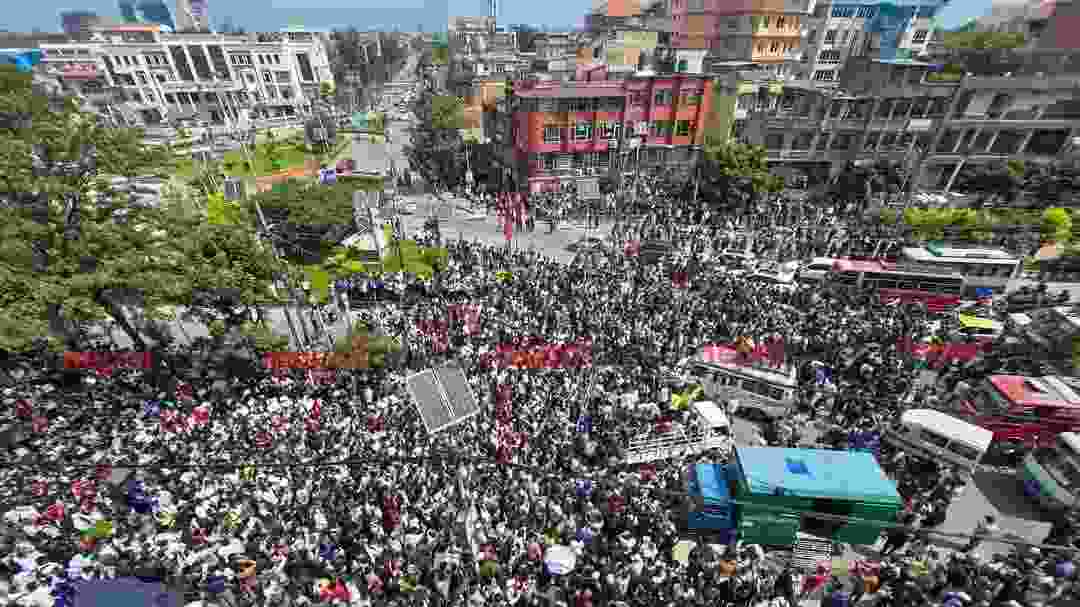
At least sixteen people, including a 12-year-old, have been killed and over a hundred injured in violent clashes in Kathmandu as Generation Z protesters took to the streets against corruption and the government’s ban on multiple social media apps. The unrest escalated when protesters broke curfew and stormed restricted areas near Nepal’s Federal Parliament, leading authorities to deploy the army and impose a curfew in key parts of the capital.
Sources indicate that the government is now considering lifting the controversial social media ban amid the growing unrest.
Clashes Intensify as Protesters Enter Parliament Grounds
- Police used water cannons, tear gas, and rubber bullets to disperse crowds after protesters threw branches and water bottles while shouting anti-government slogans.
- Some demonstrators managed to breach Parliament premises, escalating the situation further.
- The Kathmandu District Administration Office extended the curfew beyond Baneshwar to include high-security zones such as:
- President’s residence (Shital Niwas)
- Vice-President’s residence in Lainchaur
- Maharajgunj
- Singha Durbar and its surrounding areas
- Prime Minister’s residence in Baluwatar
Curfew Details and Injuries Reported
- The curfew, announced by Chief District Officer Chhabilal Rijal, runs daily from 12:30 PM to 10:00 PM.
- Movement, gatherings, protests, or encirclement activities are strictly banned within these zones.
- Two people sustained injuries from rubber bullets fired by police during crowd control.
- Kantipur Television journalist Shyam Shrestha was hit by a rubber bullet while covering protests in Baneshwar and is receiving treatment.
- Another injury was reported in Damak, Prime Minister KP Sharma Oli’s hometown, where protests also turned violent.
Protests Spread Across Nepal
- Demonstrations have spread to cities like Pokhara, where a curfew was imposed after protesters damaged the Chief Minister’s office.
- Prime Minister KP Oli has convened an emergency cabinet meeting to address the situation.
Why Are People Protesting?
- Since Friday, Nepalese users have been unable to access 26 popular social media platforms, including Facebook, YouTube, and X, after the government blocked unregistered apps.
- Instagram and Snapchat, with millions of users in Nepal, are also affected, causing widespread frustration.
- The ban sparked outrage, especially among the youth, who view it as an attack on free expression amid persistent corruption.
- Thousands of Gen-Z protesters marched demanding:
- Reversal of the social media ban
- An end to systemic corruption
Voices from the Protest
- “We were triggered by the social media ban, but corruption is the real reason we are here,” said 24-year-old student Yujan Rajbhandari.
- 20-year-old student Ikshama Tumrok called out the government’s “authoritarian attitude” and urged for generational change.
- Viral TikTok videos juxtaposing everyday Nepalis’ struggles with politicians’ lavish lifestyles have fueled the movement.
- Protester Bhumika Bharati noted, “Movements against corruption abroad inspire us, and the government fears the same will happen here.”
Background: Why Did the Government Ban These Apps?
- The Cabinet gave companies seven days to register locally, appoint grievance officers, and comply with Nepali regulations, following a Supreme Court order from September last year.
- The government claims the bans aim to improve accountability, reduce online fraud, and regulate content.
- Nepal has previously blocked apps like Telegram (citing fraud and money laundering concerns) and temporarily banned TikTok, which was reinstated after compliance.
Government’s Position
- In a statement, Nepal’s government emphasized respect for freedom of expression and commitment to protecting users’ rights.
- Officials insist that the new digital regulations are necessary to safeguard public interests but face criticism over implementation and timing.
What’s Next?
With the situation still volatile, the government’s next moves — particularly regarding the social media ban — will be crucial in calming or escalating tensions. International observers and human rights groups urge restraint and dialogue, while Nepali youth remain determined to fight for digital freedom and accountability.
Related News : Gen Z Protests Erupt in Nepal Over Social Media Ban and Government Corruption