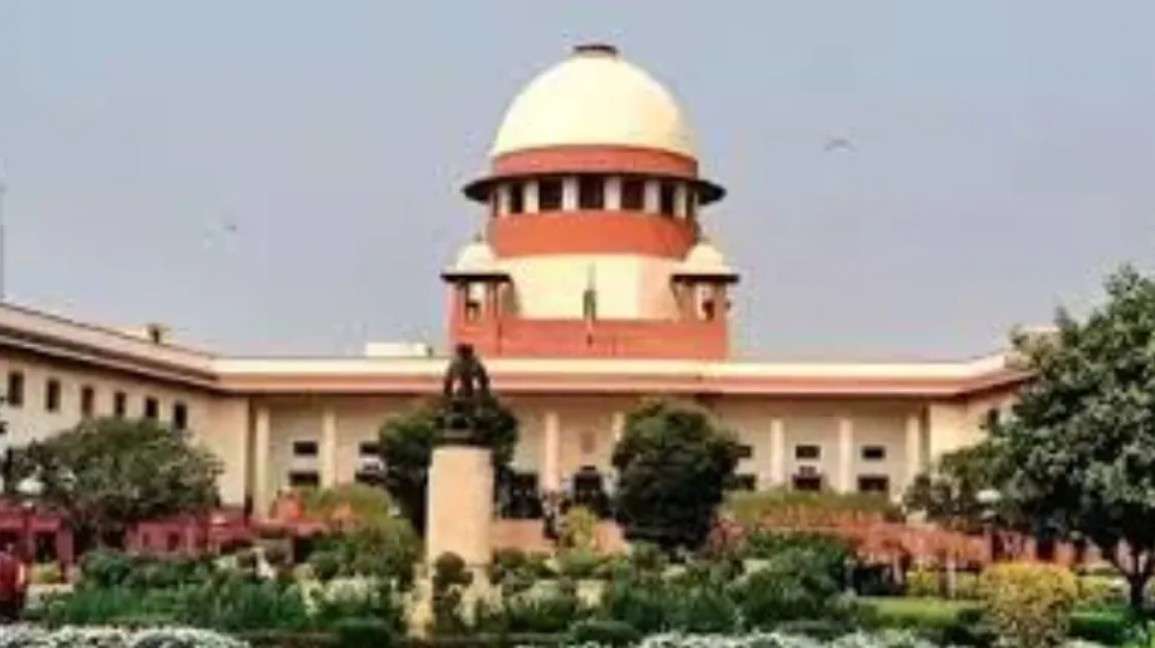
The Supreme Court of India has upheld the dismissal of Lt Samuel Kamalesan, saying his refusal to enter a temple-gurdwara compound during a regimental parade was a case of “gross indiscipline”.
Lieutenant Samuel Kamalesan, a Christian officer in the Indian Army, was posted to the 3rd Cavalry Regiment. During a weekly regimental parade, he was asked to enter the inner sanctum of a temple within the regiment’s premises (which also housed a gurdwara).
Kamalesan refused on the grounds that entering the sanctum conflicted with his monotheistic Christian faith. He agreed to join the main portion of the parade but declined to go into the temple’s inner sanctuary. The Delhi High Court and now the Supreme Court both found his refusal to be an act of indiscipline that undermines unit cohesion.
Court’s Reasoning
- The Supreme Court said that while individuals have the right to religious freedom, an officer in the Army must also obey lawful commands that preserve unit discipline.
- The bench questioned: “What kind of message are you sending? Gross indiscipline by an Army officer… this is not what we want to entertain.”
- The Court noted that Kamalesan had been tried and counseled multiple times and that his refusal to enter the sanctum, despite alternatives being offered, was unacceptable for someone in his position.
Key Points to Know
- Kamalesan was commissioned in March 2017 into the 3rd Cavalry Regiment, which consists of Sikh, Jat, and Rajput squadrons.
- He participated in other religious activities like Holi and Diwali parades but argued that entering the sanctum would violate his faith.
- His dismissal was confirmed by the Delhi High Court earlier, and now upheld by the Supreme Court.
Broader Implications
This ruling sends a strong signal about how military discipline and unit cohesion can take precedence over individual religious objections in a high-duty environment. While religious freedom is protected, the Court emphasised that when one assumes a leadership role in the armed forces, obedience and collective duty become paramount.
It raises questions about how personal faith interacts with institutional duties, especially in security services where collective morale and command structure are critical.