Punjab BJP Chief Pushes for Clarity as State–Centre Tension Rises Over Chandigarh’s Status
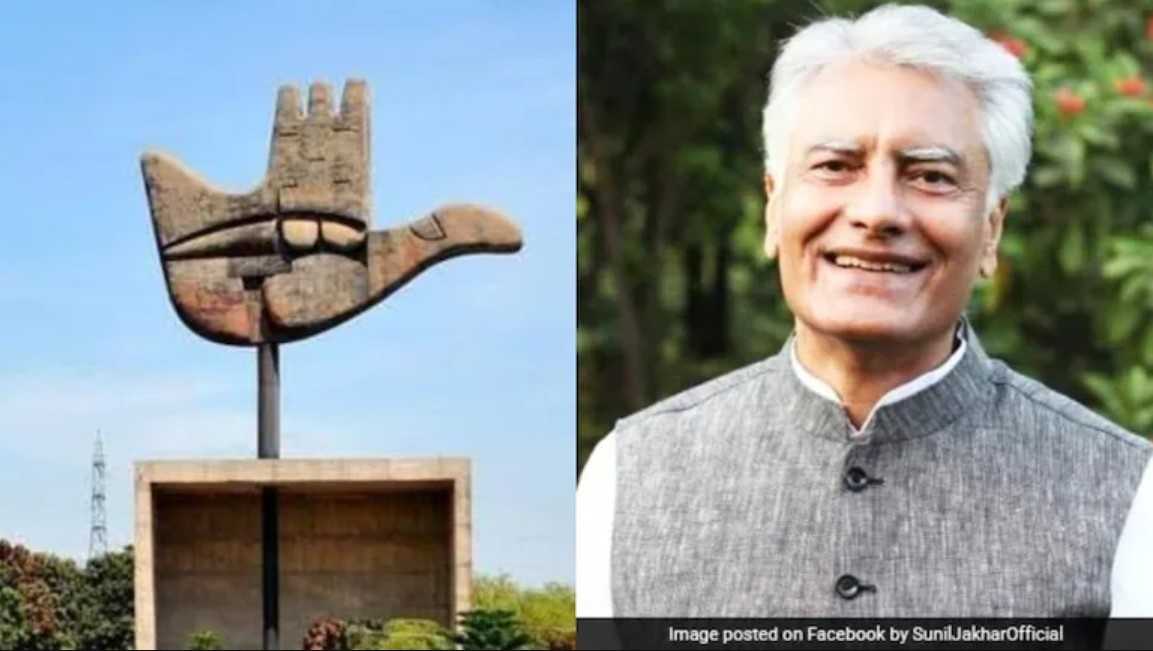
Punjab BJP president Sunil Jakhar has stepped into the growing controversy over the Centre’s reported plan to change Chandigarh’s administrative setup. Reassuring the people of Punjab, he said “Punjab comes first”, and stressed that Chandigarh is an inseparable part of the state. Jakhar also urged the Central Government to clear the confusion surrounding the proposal.
Background: What Sparked the Dispute?
The issue began after a Parliament bulletin suggested that the Centre may introduce the 131st Constitutional Amendment during the upcoming Winter Session.
The proposal includes placing Chandigarh under Article 240, allowing the President to make laws for the Union Territory.
Why This Matters to Punjab
- Chandigarh has been the joint capital of Punjab and Haryana since 1966.
- Punjab leaders see Chandigarh as a symbol of the state’s identity.
- Any change in its administrative structure is considered highly sensitive.
Chief Minister Bhagwant Mann accused the Centre of attempting to “take away” the city without consultation, igniting strong political reactions.
Jakhar’s Clear Message: State Interest First
Taking a firm yet calm stance, Sunil Jakhar said he would speak directly with the Centre to understand the intent behind the proposal.
He added that there is no need for panic, but clarity is essential.
Jakhar’s comments are notable because they place Punjab’s stance above party lines, even though the BJP governs at the Centre.
Political Reactions Across Parties
- The AAP government called the proposal an attack on state autonomy.
- The Congress demanded an immediate withdrawal of the planned amendment.
- Experts say the issue touches on key concerns of federalism and Centre–State relations.
Political observers believe the next few days will be crucial as Punjab parties unite in demanding transparency.
The Road Ahead
With the Winter Session approaching, debate over Chandigarh’s status is set to intensify. Jakhar’s “Punjab first” stand has shifted the conversation towards cooperation rather than confrontation.
The Centre’s response in the coming days will determine how the dispute unfolds — whether through political dialogue or a deeper constitutional clash.